
Adjusting to a New Life on Wheels
Real-life advice from someone who’s been there – Justin Smith
When you first find yourself in a wheelchair, you’re thrown into a world with new rules, routines, and realities. Suddenly, things you never gave a second thought to – like getting a glass from the cupboard – become the day’s main concern.
Justin Smith knows the feeling well. After a hijacking in 2004 left him with a spinal injury, he’s spent the last 20 years learning, adapting, and discovering what works (and what doesn’t). Here, he shares his no-nonsense, tried-and-tested advice for anyone finding their wheels for the first time.
1. Accept that everything changes – and that’s okay
Rehab is the easy part. Everything’s designed to work perfectly for you – wide doorways, roll-in showers, support on tap. The real test starts when you go home.
“You suddenly have to rethink everything,” says Justin. “I had to get used to having a carer because I couldn’t move much at the time. Going from being the guy everyone calls to help move furniture to being the one who needs help – that’s a massive adjustment.”
He admits it takes some humility, a sense of humour, and time. “You lose your shyness fast when you’re a 6-foot, 80kg baby in all your glory,” he jokes.
Remember, adjusting takes time and patience so you might as well enjoy a few laughs along the way.
2. Get the gear that works for you
Not every gadget will change your life, but the right ones can make a huge difference. Justin’s personal favourite? Push rims – ribbed grips that attach to your wheels and make moving around so much easier. “It completely transformed how I get around,” he says.
Just be warned: accessibility tech can get expensive since most of it comes from overseas, so sometimes you have to find different ways of making things work. But, if you ever see a slick, full-carbon Phoenix I wheelchair gliding by, Justin’s probably eyeing it out. “That thing would make family outings so much easier – maybe I should start a GoFundMe!”
3. Get your head right – the body will follow
Mental health plays a huge part in adapting to life on wheels. Justin credits a trauma counsellor who told him something that stuck: “What’s happened has happened. You can’t change it – you can only change what you do from here.”
“That was the turning point,” he says. “As an engineer, it just made sense to me. There’s no point living in the past – you have to get on with it.”
He admits that he still has bad days (who doesn’t?), but focusing on progress over pity makes all the difference. “I’ve had more significant years since being in a wheelchair than before it,” he says.
4. Stay active – in whatever way you can
Exercise doesn’t have to mean gym memberships or team sports (though if wheelchair rugby sounds fun to you, give it a go). For Justin, staying active started as rehab and became a way to stay sane.
“After my injury, I worked with a trainer who helped me build muscle – I put on 12kg in 18 months,” he says. That led to a nine-month stint at Project Walk in San Diego, a specialised recovery programme that later helped inspire similar programmes back home in South Africa.
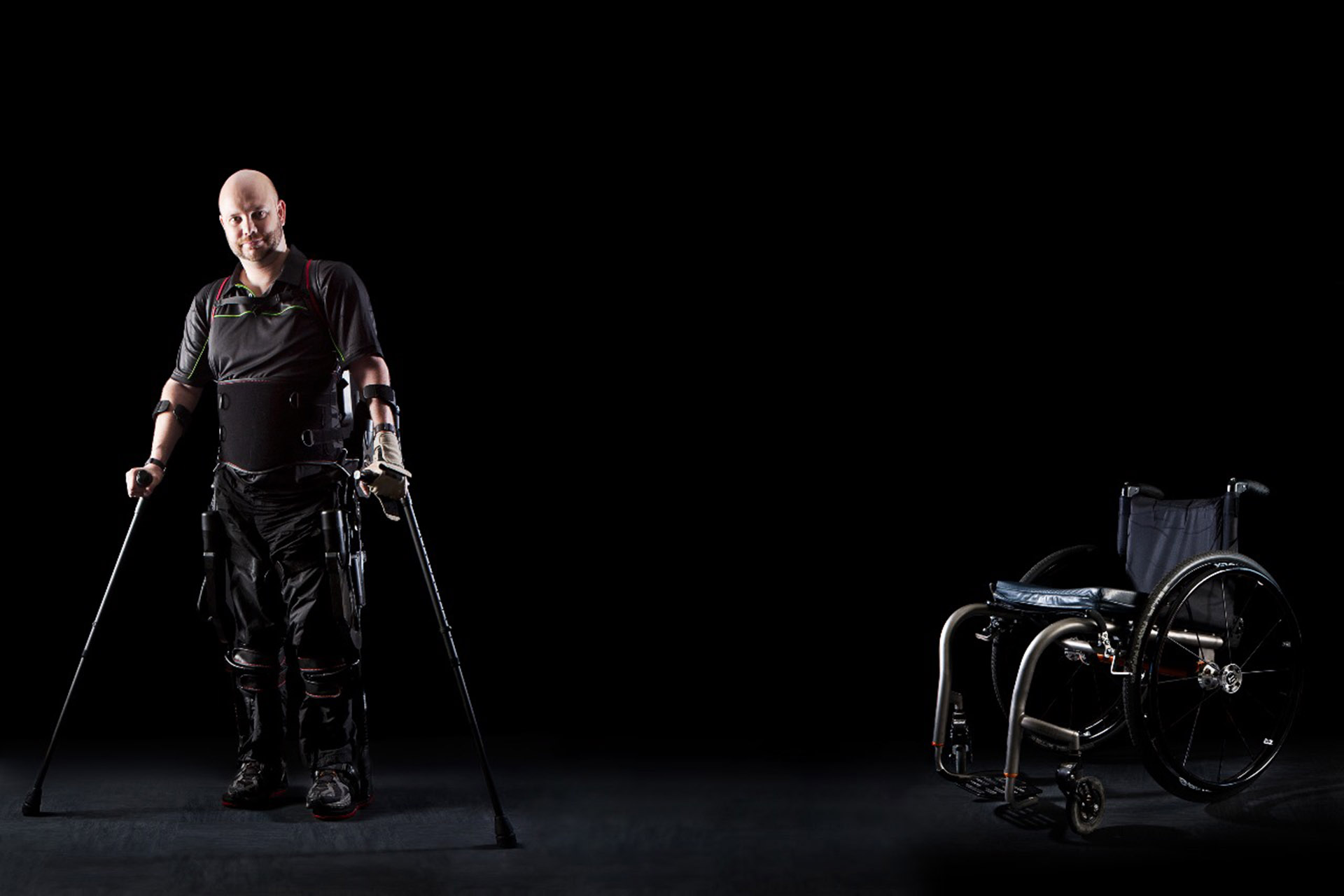
He was also involved in bringing the exoskeleton to South Africa in 2013 – the same robotic walking aid Joost van der Westhuizen famously used to walk onto the rugby field. It’s still in use today in Rivonia and continues to help others experience assisted walking and rehabilitation.
These days, activity looks different. “Just getting in and out of the car counts as exercise,” he laughs. “Do what you can, keep moving, and don’t underestimate the small stuff.”
5. Sort out your insurance (seriously)
Of all the lessons learnt, this one comes with emphasis: get your policies in order.
“I had great life cover, but barely any disability cover – and that doesn’t go far,” says Justin. “You never think it’ll happen to you, but if it does, the right insurance makes a massive difference.”
It’s not glamorous advice, but it’s necessary. If you’re starting life as a wheelchair user, don’t skip the paperwork – it’s part of protecting your independence.
6. Don’t try to imagine – just live your life
People often say to Justin, “I can’t imagine what it’s like to be you.” His response? “Please don’t try!”
Life in a wheelchair isn’t about imagination – it’s about adaptation, attitude, and forward motion. You don’t have to have it all figured out. You just have to start rolling.
For first-time wheelchair users, there’s no manual – just real stories like Justin’s, filled with trial, error, and a few good laughs. His best advice? “You can’t change what’s happened. You just have to get on with it.”
And that’s as good a life tip as any, wheels or not.